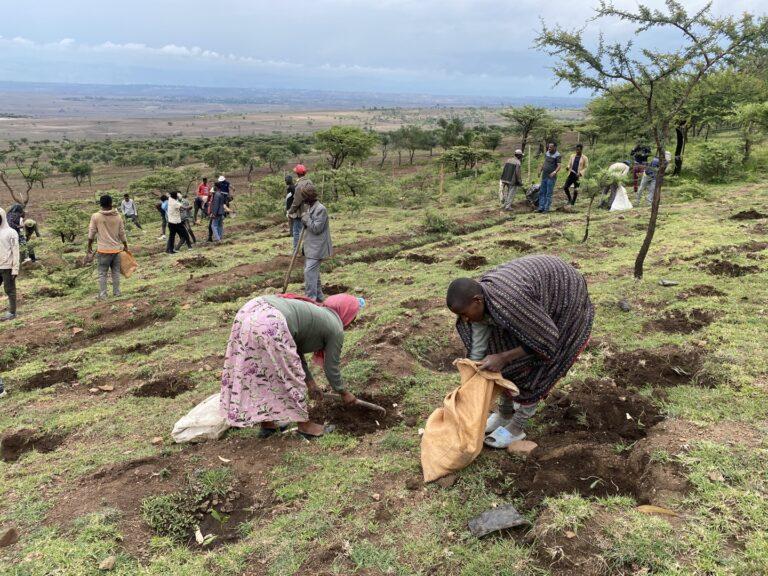
🌍 Climate Action in Ethiopia
Building a climate-resilient, sustainable, and low-carbon future through strong policy, national coordination, and long-term development planning.
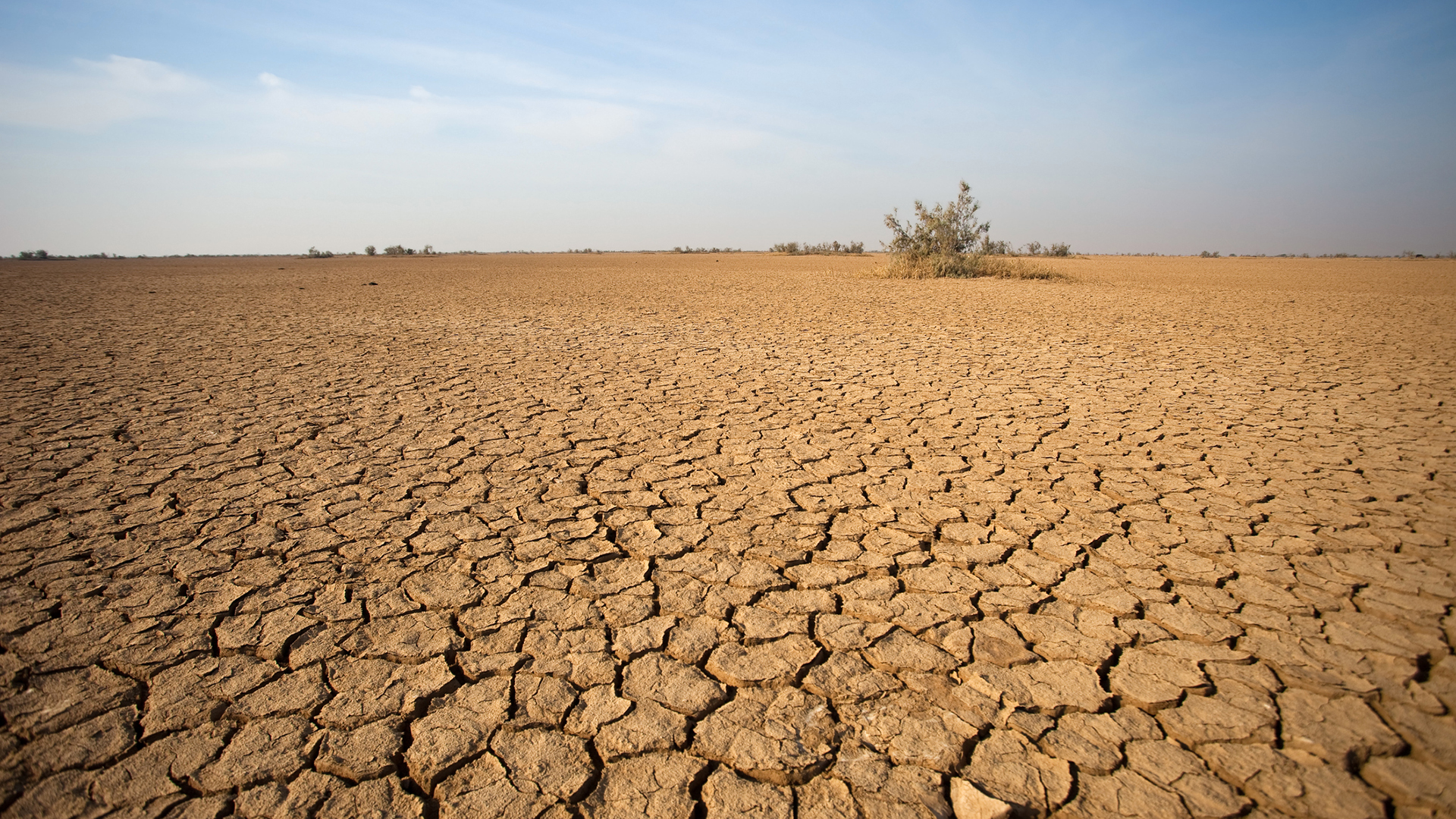
🌍 Climate Change in Ethiopia
Ethiopia is one of Africa’s most climate-vulnerable countries. Rising temperatures, recurrent droughts, erratic rainfall, and extreme weather events are increasing food insecurity, threatening water supplies, and challenging economic growth.
Climate change, driven largely by human activities such as deforestation and fossil fuel use, is altering rainfall patterns and affecting agriculture, water resources, ecosystems, and the health of communities.
In response, Ethiopia is taking bold action to protect lives and livelihoods, strengthen resilience, and secure a sustainable future for coming generations.
- Increased pressure on agriculture and food systems
- Growing risk to water supply and ecosystem balance
- Need for stronger adaptation and resilience measures
🌱 Climate Policy Frameworks & National Strategies
Ethiopia has established robust policy frameworks to support sustainable, climate-resilient, and low-emission development across key sectors.
Climate Resilient Green Economy Strategy (CRGE)
Promotes economic growth while reducing greenhouse gas emissions and building resilience to climate impacts.
Nationally Determined Contribution (NDC)
Sets Ethiopia’s commitments under the Paris Agreement for emission reduction and climate adaptation.
National Adaptation Plan (NAP-ETH)
Provides a long-term roadmap to strengthen resilience across agriculture, water, health, infrastructure, and other sectors.
Green Legacy Initiative
Supports large-scale tree planting and ecosystem restoration to improve environmental sustainability and carbon sequestration.
LT-LEDS 2050
Charts Ethiopia’s pathway toward a climate-resilient and low-emission economy by 2050.
National Climate Commitment
Together, these frameworks reinforce Ethiopia’s commitment to mitigation, adaptation, and sustainable development aligned with global climate goals.
🏛️ Role of the Ministry of Planning and Development (MoPD)
The Ministry of Planning and Development of Ethiopia leads the country’s climate response by integrating climate action into national development plans and long-term strategies.
It ensures alignment between climate priorities and broader development objectives, including the 10-Year Development Plan and the LT-LEDS 2050.
The ministry guides the implementation of key climate policies such as the CRGE and NDCs, while also advancing the National Carbon Market Strategy to support Ethiopia’s participation in international carbon markets.